how to start:
-
Getting started safely
If you've never exercised before, or it's been a significant amount of time since you've attempted any strenuous physical activity, keep the following health precautions in mind:
Health issues? Get medical clearance first. If you have health concerns such as limited mobility, heart disease, asthma, diabetes, or high blood pressure, talk with your doctor before you start to exercise.
-
Find some buddies
Workout pals really do work. Studies show that having a gym buddy significantly increases time spent exercising. That could be because we're hardwired to care what other people think of us and don't want to let down friends we've committed to, Lee-Baggley explains. If you don't actually prefer to exercise with others, involve loved ones by asking them to keep you accountable, cheer you on, and help log your progress.
-
Warm up
Warm up with dynamic stretches—active movements that warm and flex the muscles you'll be using, such as leg kicks, walking lunges, or arm swings—and by doing a slower, easier version of the upcoming exercise. For example, if you're going to run, warm up by walking. Or if you're lifting weights, begin with a few light reps.
-
Listen to your body
If you feel pain or discomfort while working out, stop! If you feel better after a brief rest, you can slowly and gently resume your workout. But don't try to power through pain. That's a surefire recipe for injury.
-
how to end
Cool down. After your workout, it's important to take a few minutes to cool down and allow your heart rate to return to its resting rate. A light jog or walk after a run, for example, or some gentle stretches after strength exercises can also help prevent soreness and injuries.
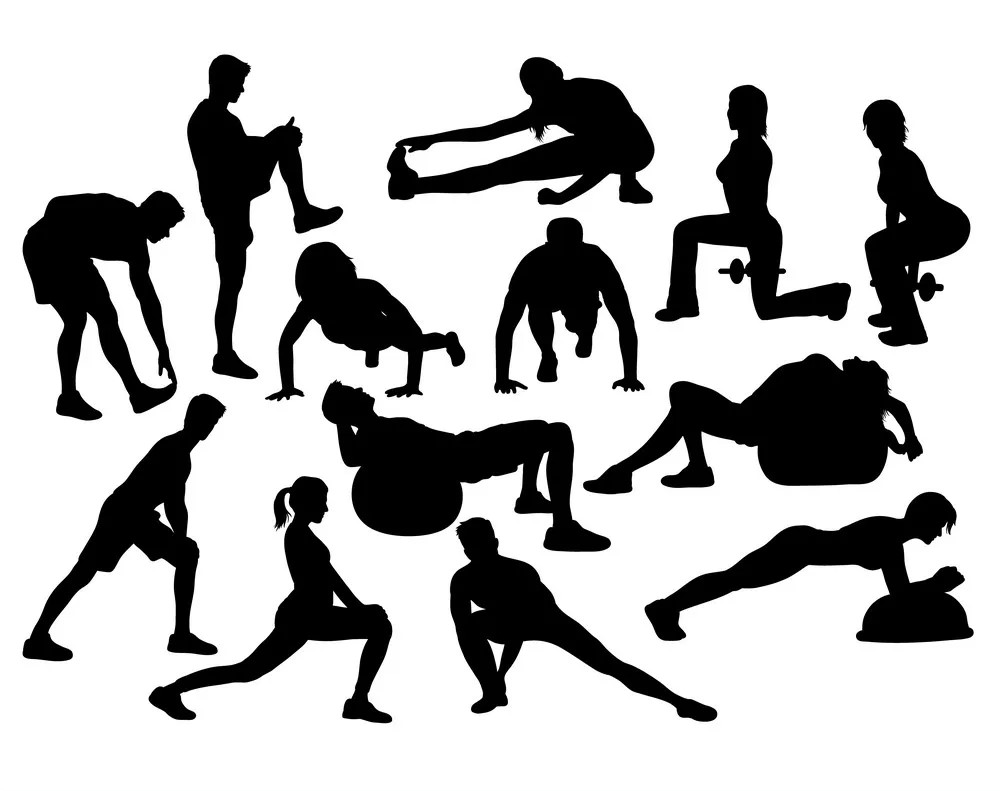
cardio & crossfit
There are very few activities you can do for a short period of time that have all of the physical and mental health benefits that cardio exercise offers. Some of the known benefits of cardio include:
Burns fat and calories, making it easier to lose weight
Enhances sleep quality, especially if the exercise is moderate to vigorous in intensity2
Expands lung capacity, or the amount of air that your lungs can hold
Improving your body image when you do weight-bearing cardio exercises like hiking or climbing stairs
Lowers stress, in part by improving your ability to cope with issues in a positive way
cardio
 What Is Cardio?
Cardio exercise, which is sometimes referred to as aerobic exercise, is any rhythmic activity that raises your heart rate into your target heart rate zone. This is the zone where you burn the most fat and calories.
What Is Cardio?
Cardio exercise, which is sometimes referred to as aerobic exercise, is any rhythmic activity that raises your heart rate into your target heart rate zone. This is the zone where you burn the most fat and calories.
examples
Running
Cycling
Jumping jacks
Rowing
Walking
Jump rope
Suitcase march or high-knees
Pullover crunch
Dancing
Swimming
crossfit
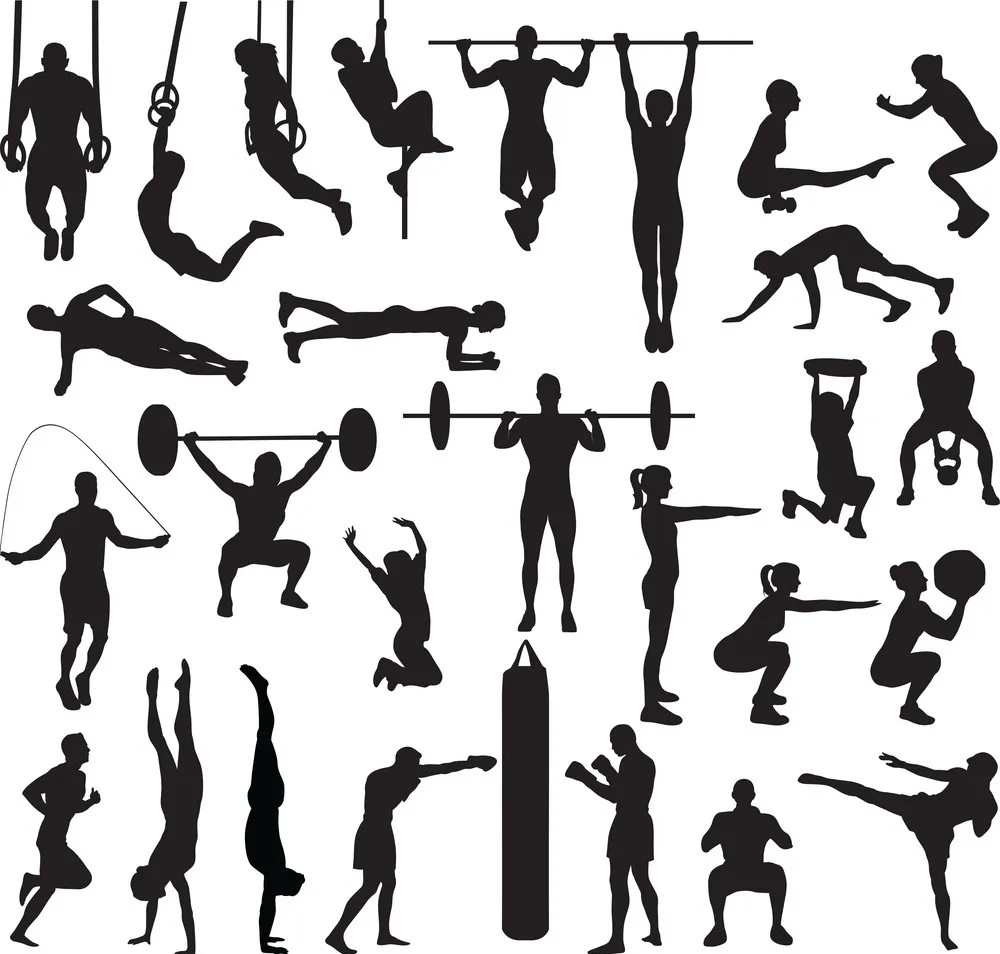
What is CrossFit?
A form of high intensity interval training, CrossFit is a strength and conditioning workout that is made up of functional movement performed at a high intensity level.
benefits of CrossFit
Muscular Strength
Flexibility
Muscular Power
Speed
Neuromuscular Coordination
Agility
Balance
Accuracy
The choice of either doing cardio or CrossFit will depend on:
If you are looking for overall fitness, choose CrossFit because it involves all parts of the body, unlike running which concentrates on the leg muscles. With the different types of exercises, you will work out different parts of the body.
If you are training to run faster or running a marathon, choose running and continue increasing your running pace.
In CrossFit workouts, you will burn more calories and sweat alot during a 30-minute workout than when you run for 30 minutes.