
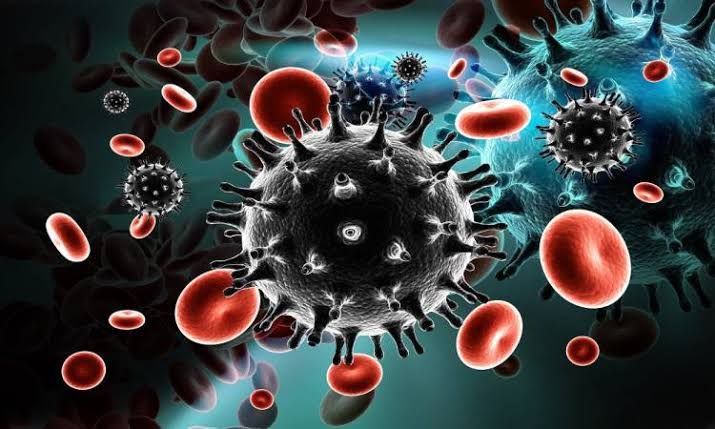
Immune system:
It is a network of cells, tissues and organs that work together to defend the body and protect itfrom germs that may attack it (such as: bacteria and viruses) that cause infections and diseases.
Functions of the immune system:
* Fight pathogenic germs (such as: bacteria, viruses, parasites or fungi), and remove them from the body.
* Identify harmful substances from the environment and fight them.
* Fight pathogenic changes in the body (such as: cancer cells).
Causes Of Immunodeficiency
1-Lack of sleep
Keep in mind that it is not only the amount of sleep that affects
your immune system,
but also its quality. You need to sleep a decent number of hours,
and you need to sleep peacefully if you want to strengthen your immune system.
Adults need between 7 to 9 hours of undisturbed sleep in order for the body
maintain a healthy immune response. If you don't sleep well,
you may want to
try relaxation techniques
such as meditation or yoga.

Even staying with smokers during their smoking time may hinder your immunity.
Your body's immune capacity will drop dramatically because the substances
in cigarette smoke reduce the body's overall ability to resist infection.
If you want to strengthen your immune system, don't start smoking.
If you are a smoker, keep in mind that white blood cells are in a constant
state of defense,
fighting injuries caused by cigarette smoke.
Quitting smoking will help your immune system return to normal function.

Nutrition is a key factor associated with your body's immune response.
Food is the primary source of energy and resources for your immune health.
So if you don't eat healthy, your immune system becomes weakened
Give up the bad habit of
eating junk food and instead enjoy delicious
and nutritious meals.
This is the basis of a healthy diet

Some studies that have examined the
effect of dietary changes and the effect of vitamins
on the immune systemEating low
protein diets reduces the function of T immune cells,
macrophages, and reduces
the production of immunoglobulin IgA.It has also been found
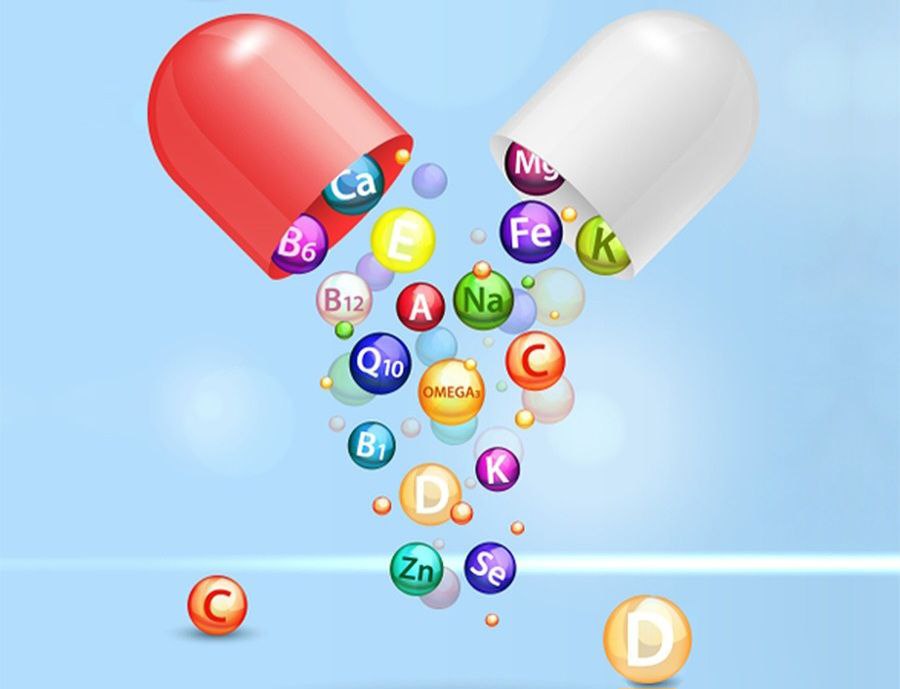
that deficiencies of
certain nutrients, such as zinc, copper, selenium, iron, folic acid,
vitamin B6,
vitamin C, vitamin A, and vitamin E, may lead to changes in
the immune system
response.
* Eat a healthy, balanced diet
* Maintain regular physical activity
* Drink plenty of water
* Get enough sleep
* Stress levels management